
Best Engine Jack in Kuwait : 7 Heavy-Duty Picks for Safe Lifting & Faster Garage Work

Upgrade your garage with a reliable engine jack built for safe lifting and smooth engine handling. Learn which type fits your workshop, what to check before buying, and how to avoid common mistakes in Kuwait.
Introduction
If you’ve ever tried to remove or install an engine without the right support, you know how stressful (and risky) it can be. One wrong move, and you can damage parts, waste time, or even injure yourself. That’s why an jack is not just a tool-it’s a safety upgrade for any serious garage or workshop.
In Kuwait, engine work is common in garages and workshops, and customers expect quick, clean results. With the right engine lifting setup, your work becomes faster, safer, and more professional. But if you pick the wrong jack, you’ll feel the difference immediately: weak balance, shaky movement, oil leaks, or poor lifting control.
This guide will help you choose the right engine jack based on real garage needs, not random guesses-so you spend once and buy the right tool.
Why an Engine Jack Matters for Garage & Workshop Work
A strong engine jack helps in more ways than people think:
- safer engine removal and installation
- better control while working in tight spaces
- reduced risk of engine damage
- faster workflow in daily garage operations
- easier movement of heavy engine assemblies
If your garage handles engine work even a few times a month, buying a reliable engine jack becomes a smart investment.
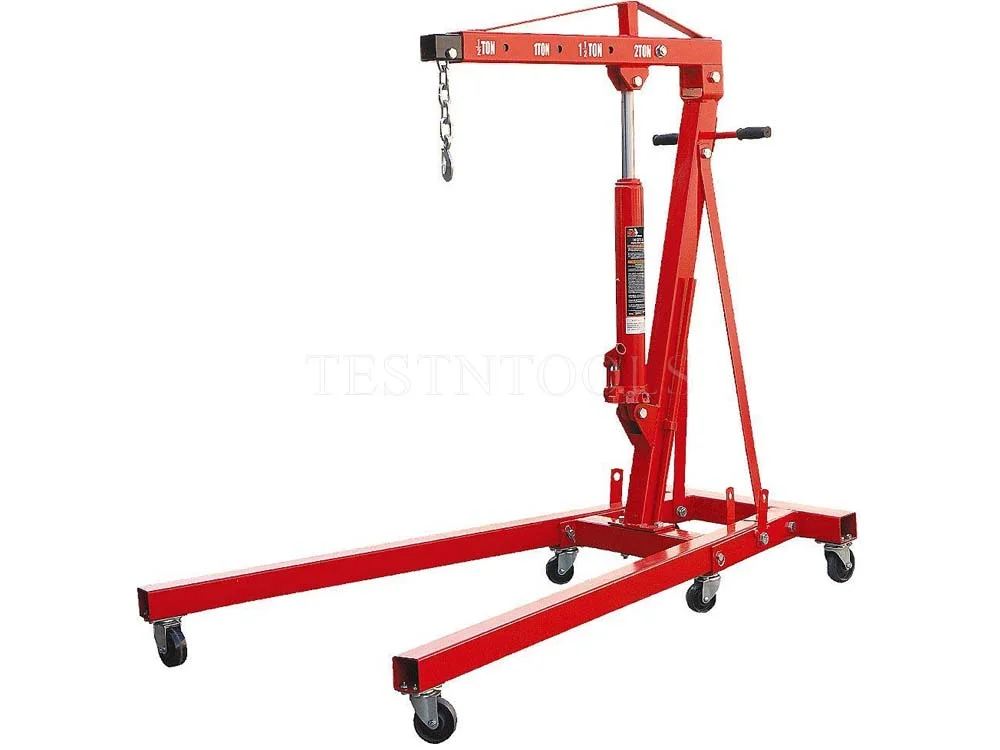
1) Engine Jack vs Engine Crane (Know the Difference)
Many people confuse these tools. Both are used in engine handling, but their purpose is different.
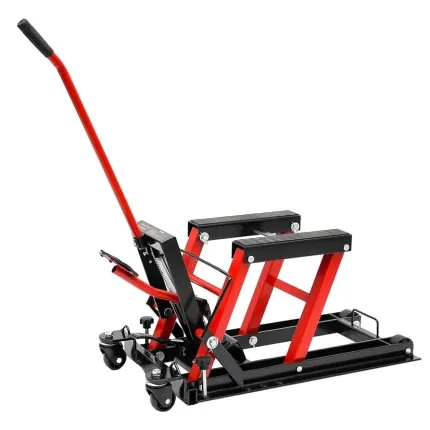
Engine Jack
An engine jack is designed to support and move an engine safely during positioning work. It’s great for controlled lifting and stable movement.
? Best for:
- engine positioning
- controlled lifting
- stable workshop handling
Engine Crane / Hoist
An engine crane is used to lift the engine out of a vehicle.
? Best for:
- pulling an engine out of a car
- heavy vertical lifting
?? Pro tip: Many professional garages in Kuwait use both, because they work best together.
2) Choose the Right Capacity (Don’t Buy Too Light)
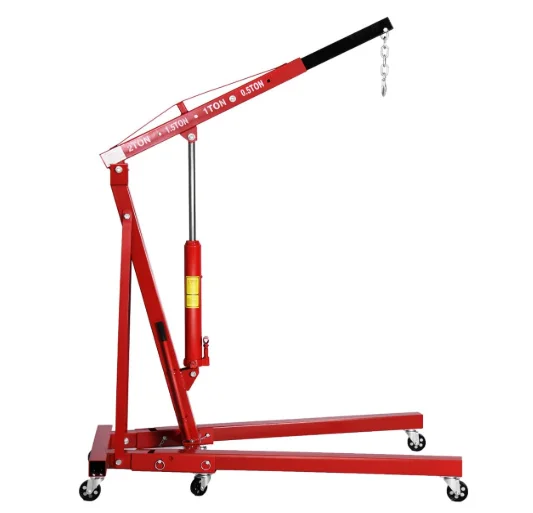
Capacity matters a lot. If you buy a weak unit, it may lift the engine-but it won’t feel safe.
Practical capacity guide
- 0.5 ton – 1 ton: light engines and small workshop use
- 1 ton – 2 ton: most garage engine jobs (recommended range)
- 2 ton+ : heavy-duty jobs and frequent professional work
If you’re buying an engine jack for regular workshop work, go for heavy-duty capacity. You’ll feel the stability difference instantly.
3) Stability & Base Design (The Real Quality Check)
Many engine jack problems are not about lifting-it’s about balance.
What stable design looks like
? wide base frame
? strong wheels/casters
? smooth movement without wobble
? good weight distribution
If the base is weak, the engine may tilt or shake while moving, and that’s the last thing you want during engine work.
A strong base is what separates an average jack from a professional jack.
4) Hydraulic System: Smooth Lift is Everything
You want a jack that lifts smoothly without sudden drops or jerks.
What to check
? smooth pumping action
? controlled release valve
? no oil leakage signs
? strong hydraulic cylinder build
A good hydraulic system makes engine alignment much easier, especially when you’re trying to fit the engine perfectly back into position.
5) Adjustable Angle & Tilt Control (Makes Work Easier)
A big advantage of a quality engine jack is tilt and adjustment support.
Why this feature matters
Engines don’t always go straight in. Sometimes you need angle control to align mounts properly.
? Adjustable tilt helps:
- engine mounting alignment
- easier transmission and engine fitting
- safer movement during positioning
If you do serious repair work, tilt control is a feature you will appreciate every week.
6) Wheels & Mobility (Garage Work Needs Movement)
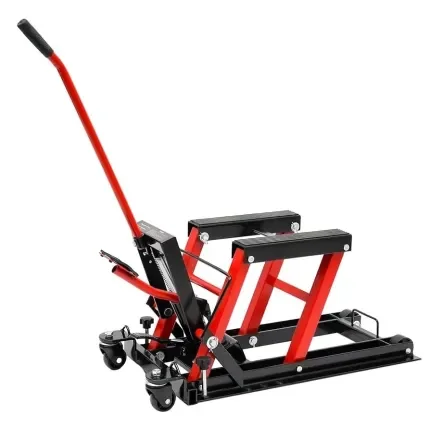
In real garages, you don’t lift and stop-you lift, move, adjust, and position.
Best mobility features
? heavy-duty wheels
? smooth rolling even with load
? lockable wheels (if possible)
? strong wheel brackets
Cheap wheels can break or jam, and then the jack becomes a headache instead of help.
A good engine jack should move smoothly on your garage floor.
7) Build Quality: Steel Thickness & Finish
In Kuwait, tools face tough working conditions-heat, dust, long hours, and heavy use.
A durable engine jack should have:
? strong steel frame
? quality welding joints
? rust-resistant finishing
? stable handle design
Even small signs like weak weld points or thin metal can cause problems in long-term use.
Common Mistakes to Avoid When Buying an Engine Jack
Here are mistakes that cost money later:
? buying only by price
? choosing too low capacity
? ignoring base width and stability
? buying without checking wheels quality
? not confirming spare parts/service support
? using an engine jack without proper safety setup
If you avoid these mistakes, you’ll end up with an engine jack that lasts longer and works better every time.
Best Use-Cases (Quick Selection Guide)
For small garages (light engine work)
? 1 ton capacity
? smooth hydraulic system
? stable base + decent wheels
For professional workshops (regular work)
? 1-2 ton capacity
? heavy-duty wheels
? tilt adjustment recommended
For heavy-duty commercial work
? 2 ton+
? stronger build + premium stability
? better long-hour performance
If you’re looking for an engine jack in Kuwait for daily garage use, this quick guide helps narrow your choice without confusion.
Where to Buy Engine Jack in Kuwait
With garage tools, one thing matters more than most people realize: support.
A good engine jack needs:
- correct load guidance
- long-term reliability
- spare parts availability
- quality accessories if required
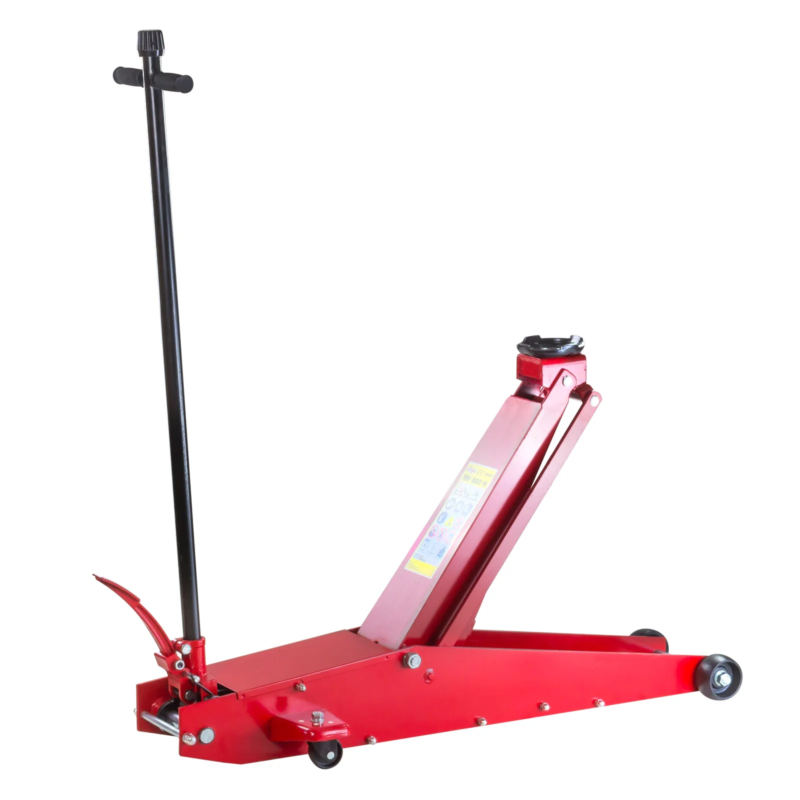
At Saif Al Arab, customers usually choose workshop tools based on real workload and safety-not just price. If you’re building a garage setup or upgrading your workshop equipment, you can explore engine lifting tools through Saif Al Arab and select a model that fits your daily work needs.
Conclusion
A quality engine jack makes engine work safer, smoother, and faster. Whether you’re running a professional garage or handling workshop repairs, the right lifting support reduces stress and improves your results.
Choose a jack that matches your capacity needs, offers stability, and moves smoothly-because in real workshop work, safety and control matter more than anything.
If you’re planning to upgrade your garage tools in Kuwait, a strong engine jack is one of those purchases you’ll never regret.
FAQs
1) What is the best engine jack for garage use?
For most garages, a heavy-duty 1-2 ton engine jack with a stable base and smooth hydraulic control is a strong option.
2) Do I need an engine crane with an engine jack?
If you remove engines frequently, yes. A crane lifts the engine out, while the jack supports and positions it.
3) Is a higher capacity engine jack always better?
Higher capacity improves stability, but choose based on your typical engine weight and daily workload.
4) What should I check first before buying an engine jack?
Check capacity, base stability, wheel quality, and hydraulic smoothness before anything else.
5) Can an engine jack be used for transmission work?
Some engine jacks can assist, but it depends on the design and platform. For dedicated transmission work, a transmission jack may be better.
Buy Engine Jacks & Workshop Equipment in Kuwait
Saif Al Arab carries engine hoists, stands and garage tools – competitive prices, Shuwaikh Industrial since 2000.
Shop Garage Tools Contact UsLifting rather than jacking? If you need to raise a load vertically instead of jacking a vehicle, read our guide to the best electric winch and hoist in Kuwait.
Shop the products in this guide
- Transmission Jack 1.5 Ton Chain Type TEL15001 BIG RED110.00 KD
- Electric Winch Hoist – Heavy Duty (2000 / 2500 / 3000 kg) Price range: 150.00 KD through 250.00 KD
- Working Light3.00 KD
- Edon Silent Air Compressor 50L (550W)32.00 KD
- BOSS Multi-Function Car Jump Starter Kit (RS-JS9601)12.00 KD
- Big Red Engine Support Bar40.00 KD